Source Thermal Insulated Water Bottle for Travel, Office, and Gym
Source 26 thermal insulated water bottle options featuring double-wall vacuum technology and customizable logos. Compare stainless steel models with capacities from 150ml to 1000ml, including 316 and 304 grades, to find reliable suppliers for bulk orders.
Key considerations
Products List



Comprehensive Sourcing Guide
Thermal Insulated Water Bottle Sourcing Guide
Sourcing thermal insulated water bottles requires a careful balance between material integrity, thermal performance, and commercial flexibility. Buyers must navigate a market where product attributes vary significantly across suppliers, ranging from basic single-wall designs to advanced double-wall vacuum insulation systems. The following guide provides evidence-based procurement strategies to help buyers evaluate listings, verify technical specifications, and manage commercial risks effectively.
Product Scope and Observed Listing Signals
The current market for thermal insulated water bottles presents a diverse range of options, with observed pricing ranging from $0.98 to $8.82 USD and minimum order quantities (MOQs) spanning from 48 to 2,000 units. This wide variance indicates that buyers can find solutions for both small-scale promotional campaigns and large-scale retail distribution, but it also necessitates rigorous comparison of value propositions. Lower price points often correlate with simpler manufacturing techniques or smaller capacities, while higher prices may reflect premium materials, complex customization, or larger volume discounts.
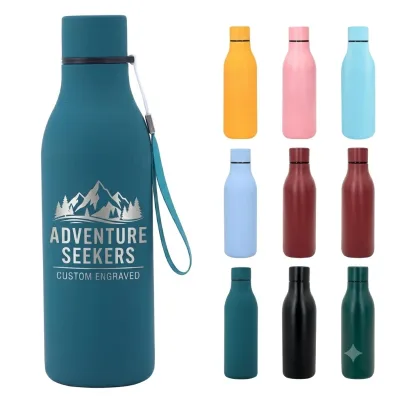
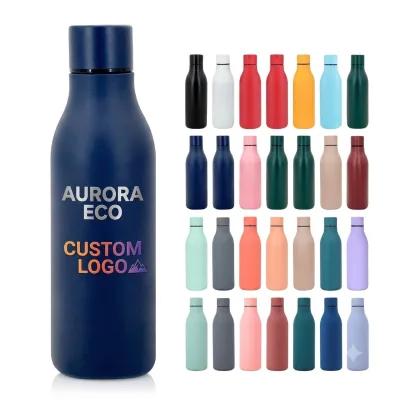
Listings frequently highlight specific design features such as cartoon styles, sport-oriented structures, and simple aesthetics, catering to distinct consumer segments. Many suppliers offer customization options, including logo printing via screen printing, laser engraving, or silk-screen methods, allowing brands to tailor products for marketing purposes. Additionally, features like "stocked" availability and eco-friendly claims suggest that buyers can access ready-to-ship inventory or sustainable options, though these attributes should be verified against actual production capabilities rather than assumed from marketing copy.
Technical Specifications to Verify
Material composition is a critical factor in determining the durability and safety of thermal insulated bottles. Listings indicate the use of various stainless steel grades, including 316 stainless steel, 304 stainless steel for inner layers, and 201 stainless steel for outer layers. Buyers should verify the specific grade of steel used, as 304 and 316 grades offer superior corrosion resistance and food safety compared to 201 grades. The structure of the bottle, often described as double-wall vacuum insulation, is essential for maintaining temperature, with some products claiming the ability to keep water hot or cold for 6 to 12 hours.
Capacity and physical dimensions vary widely, with standard sizes including 150ml, 17oz, 20oz, and larger options up to 1000ml. Buyers must ensure that the selected capacity aligns with their target market's preferences and usage scenarios. For instance, smaller bottles may be suitable for promotional giveaways, while larger capacities are better for sports or outdoor activities. Additionally, features such as big mouth diameters, leak-proof designs, and the inclusion of covers or accessories should be confirmed to ensure the product meets functional requirements.
Compliance and Safety Documentation
Certifications play a vital role in ensuring that thermal insulated water bottles meet international safety and quality standards. Common certifications observed in listings include CE/EU, CIQ, FDA, and LFGB, which indicate compliance with European, Chinese, American, and German food safety regulations, respectively. Buyers should request valid certification documents from suppliers to verify that the products have undergone appropriate testing and meet the regulatory requirements of their target markets.
In addition to certifications, buyers should inquire about the testing procedures used to validate product performance and safety. This includes tests for thermal retention, leak resistance, and material durability. Suppliers that offer sample testing or third-party lab reports provide an additional layer of assurance, allowing buyers to verify claims before committing to large orders. It is also important to ensure that the manufacturing process adheres to environmental and health standards, particularly if eco-friendly claims are made.
Cost Drivers and Commercial Terms
Several factors influence the final cost of thermal insulated water bottles, including material costs, manufacturing complexity, and customization requirements. The use of premium materials like 316 stainless steel or complex structures like double-wall vacuum insulation can increase production costs. Customization options, such as logo printing or custom colors, may also add to the overall price, depending on the method and quantity involved. Buyers should request detailed quotations that break down these costs to understand the value proposition.
Payment terms and lead times are also significant considerations in the procurement process. Common payment methods include T/T and PayPal, while sample lead times typically range from 5 to 10 days. Buyers should negotiate favorable payment terms, such as partial upfront payments and balance upon shipment, to mitigate financial risk. Additionally, understanding the production lead times for bulk orders is crucial for planning inventory and meeting market demand.
Supplier Qualification and Quality Control
Evaluating supplier qualifications is essential to ensure a reliable supply chain. Buyers should assess suppliers based on their production capacity, quality control processes, and customer service capabilities. Suppliers that offer samples, as indicated in many listings, provide an opportunity to evaluate product quality firsthand. Buyers should request samples from multiple suppliers to compare materials, construction, and performance before making a final selection.
Quality control measures should be implemented throughout the production process to ensure consistency and reliability. This includes incoming material inspections, in-process quality checks, and final product testing. Buyers should inquire about the supplier's quality management systems and whether they adhere to international standards such as ISO 9001. Establishing clear quality expectations and communication channels with suppliers can help prevent defects and ensure that products meet specified requirements.
Long-Term Procurement Checks
Building a long-term relationship with suppliers requires ongoing monitoring and evaluation of performance. Buyers should track key performance indicators such as on-time delivery, product quality, and responsiveness to issues. Regular audits or inspections of the supplier's facilities can help identify potential risks and ensure compliance with agreed-upon standards. Maintaining open communication and providing constructive feedback can foster a collaborative partnership that benefits both parties.
As market trends and consumer preferences evolve, buyers should remain adaptable and open to exploring new suppliers and product innovations. This may involve evaluating new materials, designs, or manufacturing technologies that offer improved performance or cost efficiency. By staying informed about industry developments and maintaining a diverse supplier base, buyers can mitigate risks and ensure a steady supply of high-quality thermal insulated water bottles.
FAQs
What certifications do these thermal insulated water bottles have?
These bottles hold CE, EU, CIQ, FDA, and LFGB certifications. This ensures they meet international safety and quality standards for food contact materials, making them suitable for export to regulated markets.
Can I customize the logo on these stainless steel bottles?
Yes, the logo is customizable with options for laser printing, screen printing, or silk-screen printing. Buyers can request specific designs to brand the products for their target audience or corporate events.
How long can these bottles keep water hot or cold?
The double wall vacuum insulation keeps water hot or cold for 6 to 12 hours. This performance is achieved through the specific construction of the stainless steel layers and the vacuum seal technology.
What is the minimum order quantity for these products?
The minimum order quantity ranges from 48 to 2000 units depending on the specific model and customization requirements. Buyers should check the specific product page for the exact MOQ applicable to their selected item.
Which materials are used to construct these thermal bottles?
The bottles are made from 316 stainless steel or a combination of inner 304 and outer 201 stainless steel. These materials provide durability, corrosion resistance, and safe food-grade contact for daily use.
What is the sample lead time for these thermal bottles?
Sample delivery typically takes between 5 to 10 days after the order is confirmed. This allows buyers to verify product quality and design before committing to a larger bulk manufacturing order.
What capacity options are available for these insulated bottles?
Available capacities include 150ml, 17oz, 20oz, and sizes ranging from 350ml up to 1000ml. Buyers can select the standard size or customized capacity based on their specific market needs.